Key Takeaways
- Intranet governance is the framework of rules, roles, and processes that ensure your intranet remains secure, relevant, compliant, and scalable over time.
- Strong governance defines clear ownership, content guidelines, access permissions, and security measures to prevent chaos, outdated content, and low trust.
- Effective intranet governance relies on continuous monitoring, feedback loops, and regular audits to keep the platform aligned with business needs.
- Establishing governance requires a clear purpose, a defined content lifecycle, assigned roles, and a platform that supports governance by design.
- Modern intranet platforms like Poppulo embed governance features such as approval workflows, role-based access, analytics, and AI assistance to manage complexity at scale.
It’s simply a fact of modern corporate life: for most large organizations today, the intranet is no longer just a static library of documents or a corporate noticeboard. It’s the central nervous system of the digital workplace, influencing everything from employee onboarding to strategic alignment and culture-building.
But with this increased importance comes increased complexity. How do you manage intranet content, intranet users, security, and compliance across thousands (or even tens of thousands!) of employees?
The answer lies in a concept too often overlooked until problems arise: intranet governance.
Strong governance is the glue that holds your digital ecosystem together. It provides the rules, roles, and routines that ensure your intranet delivers long-term value: not just at launch, but every day your intranet evolves with your business.
When governance is done right, your intranet becomes a secure, scalable, and empowering environment that helps employees do their best work, generating employee engagement and improving internal communication. And sometimes, it can even make things a little bit more fun for all parties involved.
So what exactly is intranet governance, and how do you build an intranet strategy that works across teams, countries, and intranet use cases? Let’s explore intranet management and governance together and find the answers to these critical questions.
What Is Intranet Governance?
Intranet governance refers to the framework of policies, structures, and workflows that guide how your federated intranet is used, managed, and maintained. It’s what comes after you build an intranet, although elements of its planning take place beforehand. At its core, it’s about ensuring that the platform continues to serve its intended purpose as your organization grows and changes.
Good governance supports:
- Clarity: Everyone knows their role, whether it’s creating, approving, or consuming intranet content.
- Consistency: Intranet content is up-to-date, on-brand, and relevant.
- Compliance: Legal, regulatory, and internal rules are followed.
- Scalability: As your company evolves, so does your intranet.
- Security: Access is controlled, data is protected, and risks are minimized.
In other words, governance is the backbone of a healthy digital workplace.
Key Components of Intranet Governance
Let’s break down the most important pillars of any strong governance plan. These are the critical policy elements that make a company intranet effective and useful for employees.
1. Defining Roles and Responsibilities
Governance starts with clear intranet ownership. Who manages the platform? Who publishes content? Who approves sensitive updates?
Common site owners’ roles include:
- Platform Admins – Oversee technical configuration and user permissions.
- Content Owners – Ensure intranet pages and posts are accurate, timely, and useful.
- Moderators – Monitor user-generated content and maintain decorum.
- IT or Security Leads – Handle infrastructure, integrations, and compliance.
The clearer the roles, the smoother the collaboration.
2. Establishing Content Guidelines
Intranet content should be authentic and informative, but it still needs some guidelines. To avoid chaos, everyone needs to follow the same rules for:
- Tone of voice
- Formatting
- Use of images or video
- Frequency of updates
- Content expiry or archiving
A shared style guide ensures consistency, especially across decentralized teams.
3. Controlling User Access and Permissions
Too much access creates risk. Too little creates bottlenecks. Good governance uses granular permissions based on:
- Job role
- Location
- Department
- Seniority
This ensures employees only see (and interact with) what’s relevant to them.
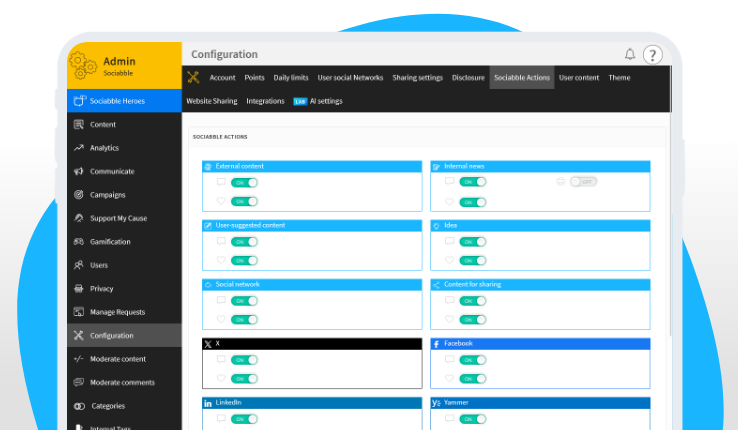
4. Implementing Security and Compliance Measures
Today’s intranet isn’t just a place to share ideas; it’s a potential vector for data leaks, privacy violations, and security breaches. Smart governance includes:
- SSO & Multi-Factor Authentication
- Role-based access control
- GDPR compliance
- Audit trails for critical content changes
- Content approval workflows
These practices protect both your users and your business, and help you avoid breaches and even full intranet failure.
5. Monitoring and Continuous Improvement
Governance isn’t a one-time setup. It’s an evolving process that’s reliant on data and bottom-up information. You need metrics and employee feedback loops to:
- Track what kinds of content creation work (and what kinds don’t)
- Measure platform performance and your intranet’s success
- Identify bottlenecks in your new intranet system
- Highlight friction points in the user journey
These insights allow you to refine your intranet over time, ensuring it grows with your needs for ongoing success.
Examples of Intranet Governance in Action
Abstract principles are important, but governance really comes to life through practical application. Here are a few examples of what governance looks like day-to-day, at a real workplace.
Creating an Intranet Style Guide
This governance document defines your intranet’s visual and editorial DNA and keeps everyone on the same page from a content perspective. It covers:
- Logo usage and color schemes
- Typography
- Layout best practices
- Tone and terminology
This guide is essential when multiple people (or various departments) are creating and posting content.
Establishing Content Owners
You need admins to ensure that your intranet is running smoothly. Each section of the intranet should have a designated owner responsible for:
- Keeping information current
- Archiving or removing old content
- Responding to feedback
Without ownership, content quickly becomes stale.
Conducting Regular Content Audits
Just like websites, intranets need spring cleaning. A quarterly or biannual audit helps you:
- Remove duplicates
- Update outdated documents
- Refine navigation
This keeps your platform lean and relevant.

Offering User Training
Onboarding isn’t just for new employees. It’s for new features, content guidelines, and best practices too. Training methods include:
- Live sessions
- Short videos
- Interactive guides
- FAQs and help pages
Ongoing education fuels platform adoption and self-service.
Gathering and Acting on Feedback
Listening is a governance superpower. Run surveys, focus groups, or feedback forms to identify:
- Navigation challenges
- Content gaps
- Unclear workflows
Then act on the insights.
How to Establish Intranet Governance
Sure, every company is different, but the steps below offer a reliable starting point. By putting these into place, you can ensure your intranet becomes an invaluable, integrated tool that stays current and helpful for your entire workforce.
1. Identify the Purpose
Before anything, you need to determine the “why.” Ask: What do we want our intranet to achieve?
- Is it an internal communication hub?
- A knowledge base?
- A CSR engagement platform?
- A digital front door for the company?
Your governance model must align with your goals and your larger company mission.
2. Develop a Governance Strategy
Intranet strategy will guide your efforts and keep things on track. This means mapping out:
- Content lifecycle (creation, approval, review, deletion)
- Editorial calendar
- Ownership structure
- Tooling (analytics, automation, content AI)
Think of it as your intranet constitution.
3. Assign Roles and Define Permissions
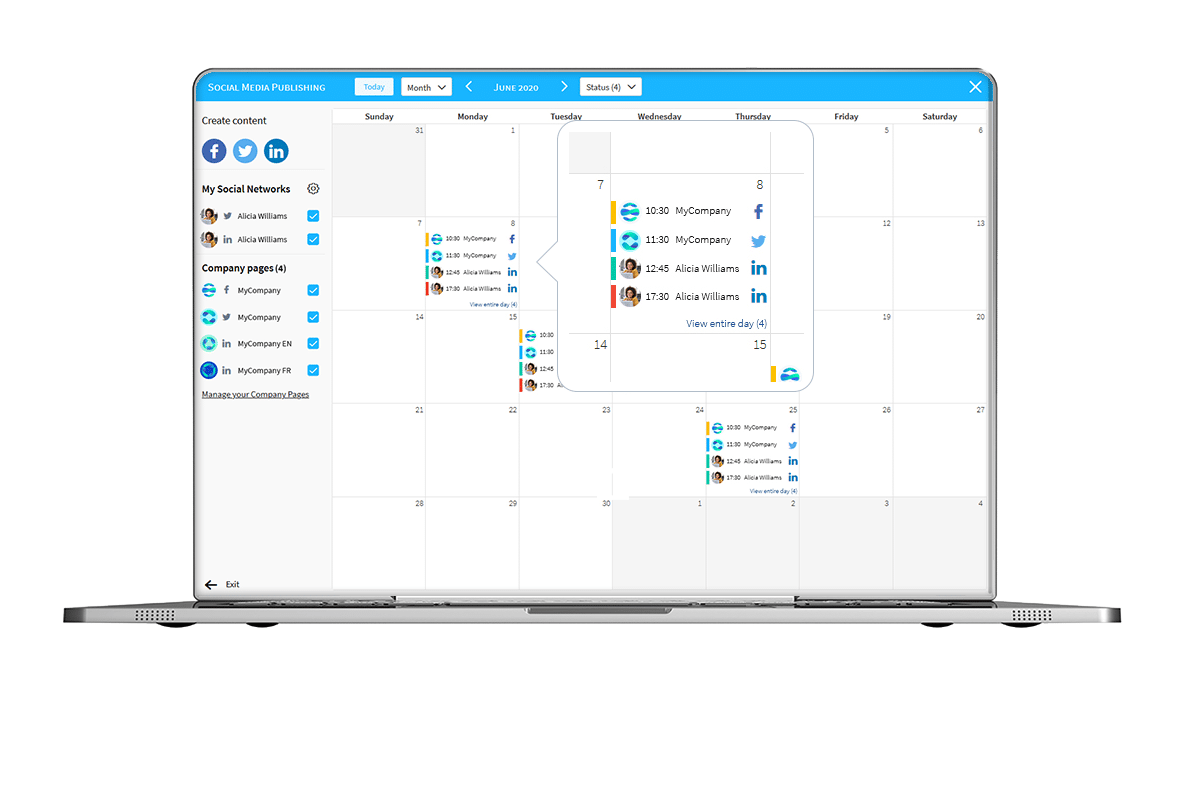
Intranet manager roles are crucial when it comes to administering your platform. As mentioned earlier, define an intranet governance team that can:
- View vs. edit
- Publish vs. draft
- Moderate vs. approve
- Access analytics vs. just consume
Set these intranet management rules early to prevent confusion later.
4. Build a Content Lifecycle Process
Content doesn’t manage itself. And stale content can turn even the most enthusiastic users away. Governance should define:
- How new content is requested and created
- How it’s reviewed and approved
- When and how it’s updated
- When it gets archived or removed
Automation tools can help enforce these processes while creating intranet content.
5. Put Compliance and Security First
Security is paramount; the wellbeing of your entire business is at stake. Be sure to include clear documentation for:
- Access rights and appropriate permissions
- Data privacy policies
- Records management
- Incident response plans
Even if legal or IT owns these processes, effective intranet governance ensures they’re followed.
6. Set Up Feedback Loops
Without feedback, it’s very difficult to improve. Feedback is also essential for healthy engagement and morale. Make it easy for employees to:
- Rate content
- Submit feedback
- Flag inaccuracies
- Answer quick polls
Over time, these micro-interactions make your platform more responsive.
7. Use the Right Intranet Platform
This is key. You need a platform that supports effective intranet governance natively, not one that makes it harder. And that’s exactly where Poppulo excels.
Poppulo Makes Intranet Governance Easy
At Poppulo, we believe effective intranet governance shouldn’t be an afterthought; it should be built-in by design. That’s why our platform includes a rich feature set to help organizations govern content, permissions, and engagement effectively, without adding friction. It is specifically designed to be your modern intranet.
Here’s how:
Easy Role Assignment & Approval Workflows
Admins can define roles and workflows for content creators, editors, approvers, and moderators. Poppulo's approval chains help enforce quality and compliance at scale, whether global or local.
Secure Content Management with Audit Trails
Each piece of content is tracked: who created it, who updated it, and when. Administrators can define who sees what using Poppulo’s sophisticated audience builder and role-based permissions, all while your intranet remains GDPR-compliant.
Smart Analytics to Track Engagement
Proper governance needs data. It offers the solid insights you need to tweak and perfect your platform, and it can be used to determine desired business outcomes and convince other key stakeholders. With Poppulo, you get detailed analytics on:
- Content performance
- Channel engagement
- User interaction by location or role
- Must-read compliance tracking
This data feeds directly into your continuous improvement cycle.

Flexible Compliance Settings
From auto-archiving rules to moderation policies, Poppulo helps your legal and IT teams sleep better at night. You can even set AI-based compliance rules that score and moderate user-generated content.
Pages for Structured, Evergreen Content
Poppulo Pages are perfect for intranet governance model use cases. Why? Because they allow for:
- Hierarchical organization
- Dynamic components (e.g., sub-page lists, tables of contents)
- Versioning
- AI-powered translation and authoring
- Fine-grained access rights
Use them for onboarding portals, human resources directories, process documentation, or even internal policies.
Built-in AI to Automate the Mundane
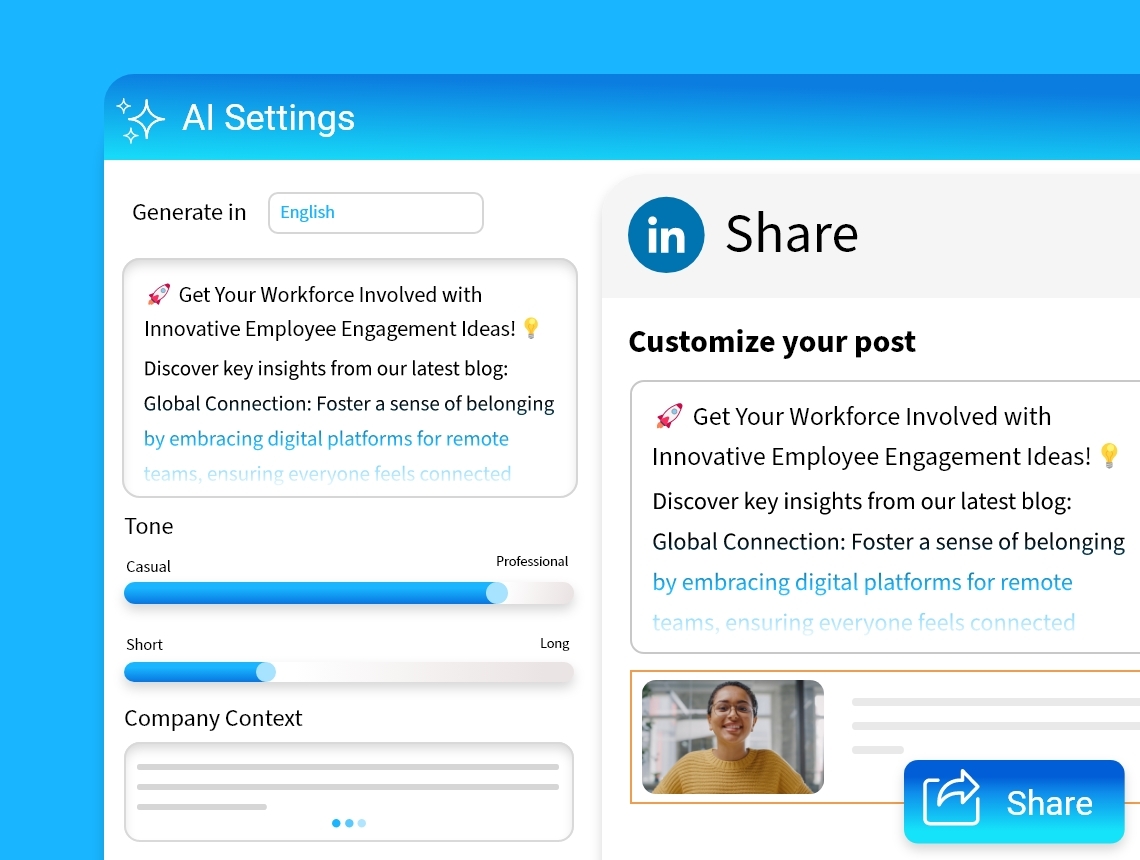
Need help generating content, translating it, or summarizing videos? Poppulo’s built-in Ask AI can help with all of the above. Its governance model even powers intelligent search across your intranet so employees can “ask” questions and get contextual answers.
Conclusion
An intranet governance plan isn’t about control for control’s sake. It’s about enabling clarity, trust, and efficiency in how your digital workplace operates. Without it, even the most beautifully designed platform will descend into chaos and fail the company mission. With it, your intranet becomes an engine of alignment, culture, and performance. In this article, we’ve covered:
- What is intranet governance
- Key components of intranet governance
- Examples of intranet governance
- How to establish intranet governance
And we also provided a digital solution to help you set yours up. Poppulo is purpose-built to support governance at every level, from secure content control to seamless user experiences, and powerful AI assistance. We’ve already partnered with global leaders around the world, including brands like Coca-Cola CCEP, Primark, and L’OCCITANE Group, and we’d love to discuss ways we can help your company, too.
Sign up for a free personalized demo, and discover how Poppulo can upgrade your intranet and take it to a whole new level.