Is peer recognition important? Very. Because employee recognition isn’t just something managers hand down. It’s something every member of the company can share.
In today’s workplace, appreciation from peers often carries more emotional weight than praise from leadership. Despite this, many companies still rely exclusively on top-down recognition, where only leaders actively participate, missing countless daily moments to boost engagement, motivation, and trust.
Peer-to-peer recognition programs empower everyone to celebrate team success, creating a culture of appreciation, collaboration, employee happiness, and mutual respect. This article breaks down what peer recognition is, presents peer recognition examples, and shows how to build a peer recognition culture that lasts . . . and that makes all the difference.
What Is Peer-to-Peer Recognition?
Peer-to-peer recognition is when employees acknowledge and celebrate each other’s peer contributions without needing approval from a manager or HR. This can take the form of a quick thank-you in a Slack message, a public shout-out during a team meeting, or a digital badge awarded through a peer recognition platform.
By decentralizing appreciation, peer recognition shifts it from a formal ritual to an everyday practice that motivates employees. It allows gratitude to flow freely across roles, departments, and seniority levels. For instance, a sales rep might publicly recognize a support teammate who stepped in to resolve a critical customer issue, no manager required.
These types of organic, bottom-up peer recognition examples play a major role in creating people-first workplaces. Peer recognition increases daily engagement and fosters meaningful connection among teams.

How Peer-to-Peer Recognition Works in Practice
Peer-to-peer recognition efforts work best when they’re woven into the tools and habits employees already use. That means making space for both informal and formal moments of appreciation, and ensuring those moments are easy to deliver in the flow of work.
A simple peer-to-peer recognition moment could be a teammate posting kudos in a shared Slack channel. It could also be more structured, like awarding digital points or badges on a company platform. Public praise on LinkedIn or a thoughtful email sent after a project wrap-up also count as peer recognition. The common thread? Peer-to-peer recognition that’s timely, specific, and sincere in promoting a positive attitude.
Technology is a key enabler of peer recognition. With solutions like Poppulo’s recognition & reward features, peer-to-peer recognition becomes part of the everyday rhythm. Team members can award points, assign custom badges, and celebrate achievements directly, making appreciation visible, simple, and continuous.

The Benefits of Peer-to-Peer Recognition
Organizations that embrace peer-to-peer recognition don’t just see happier team members; they see stronger teams, better performance, and greater cultural alignment built around a positive attitude and collaborative efforts. Here’s how:
Boosts Employee Morale and Engagement
When employees feel appreciated by peers who truly understand their work, or when employees nominate peers for a special achievement, it makes all the difference; they’re more emotionally connected to what they do. Peer recognition from coworkers validates day-to-day effort in a way that often feels more genuine than top-down praise. This emotional lift increases motivation and personal investment in the workplace culture.
Strengthens Teamwork
Peer-to-peer recognition programs help build a company culture of trust, support, and shared success. They can encourage team members to express a cross-functional culture of appreciation and they reduce silos. When people feel seen and valued by their peers, and receive peer nominated awards as a result, they’re more likely to go the extra mile for each other.
Improves Performance
Praise reinforces behavior. When employees recognize someone for living company values or solving problems creatively, others take note and emulate those actions. It’s a self-reinforcing loop that drives better results across the board. Many employee engagement programs rely on peer recognition examples to promote performance consistency.
Enhances Company Culture
A workplace filled with a visible, authentic culture of appreciation is one where people want to be. Peer recognition supports psychological safety and creates an environment where team members feel comfortable sharing recognition ideas and feedback. When it comes to recognition and solidarity, public peer-to-peer appreciation not only strengthens relationships, but also increases alignment for hybrid teams and remote employees.
Increases Employee Retention
When team members feel valued, they stay. Peer recognition gives people a sense of belonging and purpose, which directly impacts job satisfaction and retention. In fact, recognition statistics show that companies with robust peer recognition programs consistently report lower turnover and improved employee engagement scores.
Best Practices for Building a Peer-to-Peer Recognition Culture
To create a peer recognition culture that becomes a long-lasting part of workplace culture itself, organizations need to embed peer appreciation into daily life; not just quarterly reviews or all-hands team meetings. Here are eight proven ways to make peer recognition work.
1. Make Meaningful Recognition Programs Simple and Accessible
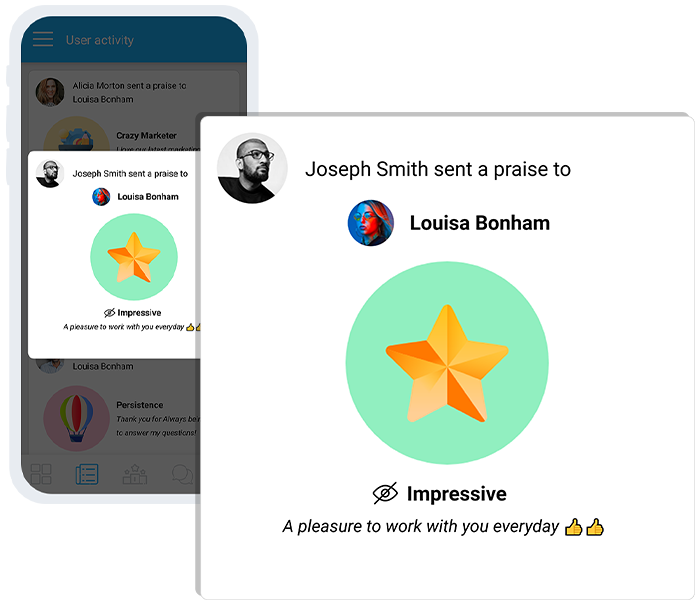
Peer recognition programs shouldn’t require jumping through hoops. Choose tools and recognition ideas that let team members show appreciation in just a few clicks, from wherever they’re working. The easier it is, the more people will do it, which makes a huge difference.
2. Encourage Employees to Use Authentic and Specific Praise
Train your teams with peer recognition examples that go beyond “nice job.” Effective praise is specific: it names the action and explains the positive impact. This makes a huge difference, as the recognition becomes more meaningful and encourages others to follow their peer’s efforts.
3. Balance Public and Private Employee Recognition
Both are powerful. Public praise creates visibility and momentum, while private peer recognition messages can feel more personal and heartfelt. Give employees examples of scenarios, as well as the flexibility to choose the right format for the situation, and empower them to strengthen relationships in the way that feels natural.
4. Connect Peer Recognition to Company Values
The best peer recognition examples highlight behaviors that reflect organizational values. This helps reinforce what “great work” looks like and aligns employee actions with culture goals. It’s a key part of improving the overall employee experience, and promoting a positive attitude companywide.
5. Add a Gamified Layer
Leaderboards, points, weekly recognition challenges, and badges can add an element of fun and healthy competition to peer recognition programs. Many top engagement platforms include gamification to increase participation and sustain momentum.
6. Reward the Act of Peer Recognition
Don’t just reward those who are recognized; reward those who recognize others. For example, Poppulo enables organizations to celebrate both the givers and the receivers of peer recognition through a range of customizable options, including CSR rewards like Poppulo Trees.
7. Keep Peer Recognition Continuous
Don’t limit your employee recognition program to employee performance reviews or “best of the month” awards. Encourage employees to use small, frequent gestures that happen in the moment. Many of the most effective employee engagement activities involve short, spontaneous peer recognition examples that can boost employee morale day-to-day.
8. Measure and Optimize Over Time
Track who’s giving and receiving peer recognition, and how it aligns with higher employee engagement levels. Use that data to identify gaps or cultural blind spots. With the rise of AI in employee engagement, companies now have better insight into how peer recognition flows, and where it needs to be strengthened.

Final Thoughts
Employee recognition is one of the simplest ways to boost connection, motivation, and loyalty. It has a positive influence on all of the above. Yet too often, it’s reserved for top-down reviews or end-of-year wrap-ups. Peer-to-peer recognition changes that. It gives every employee the ability to say, “I see you. That mattered.”
When peer recognition programs are easy, sincere, and embedded into daily communication, it becomes a habit, not a formality. And with a platform like Poppulo, you can embed emotional currency among teams, reinforce your values, and fuel a workplace culture where people want to do their best work. If you want to build a positive work environment where employee appreciation and peer recognition thrive, start by giving people the power to celebrate each other, every day. Start with Poppulo.
Peer recognition shouldn’t wait for a manager’s approval. Empower everyone to celebrate team success, and watch your workplace culture thrive. We’ve already worked with global leaders like Coca-Cola CCEP, Primark, and L’Occitane Group to enhance their employee communication, and we’d love to discuss ways we can do the same for you.
Sign up today for a free personalized demo and see for yourself.