An airline can distribute the same update to thousands of employees and still leave a mechanic, gate agent, or flight attendant without the information that matters to their daily work. The best engagement plans fix that gap by helping people feel informed, heard, and invested wherever they are working.
Key Takeaways
- Local communication should reflect each base, station, shift, and role.
- Recognition works when it is timely, specific, and connected to company values.
- New employees need structured onboarding, mentoring, and a clear view of their future.
- Engaged teams need safe ways to speak up, plus visible evidence that leaders act.
- Measurement should separate reach, participation, sentiment, and business impact.
Engagement across an airline is difficult because the workforce operates around the clock across aircraft, terminals, maintenance facilities, contact centers, and offices. A company campaign can look successful on a dashboard while employees doing critical work feel disconnected from the organization.
Are there solutions? Yes indeed. These seven employee engagement ideas will help U.S. airline leaders build a practical 2027 plan that respects operating conditions and gives employees a genuine opportunity to participate.

7 Ideas to Build Employee Engagement
These seven approaches to engagement each take a different angle, but with the same result in mind. When looking them over, choose ideas based on a real workforce need, the time available, and the ability of local teams to support them. Each initiative needs an owner, a first step, and a useful metric.
1. Create Base-Specific Briefings Employees Can Use
Base-specific briefings make company communication relevant to the employees receiving it.
A weekly digest can combine local priorities, open roles, training resources, recognition, and answers to recent questions. Keep it short enough to review before a shift, then provide an accessible digital version for employees who are flying, off-site, or working differently.
The company should create a common template, while local leaders add the details that matter at a hub, crew base, regional station, or maintenance facility. That balance protects consistency without flattening the organization into one headquarters viewpoint.
Implementation essentials:
- Audience: Employees at a specific location or base.
- Owner: Station leadership with Internal Communications.
- First step: Publish one weekly update with three local priorities and two answered questions.
- Success measure: Ask whether the briefing was useful, then compare responses across shifts.
This focus is important because missed news is common. A U.S. Chamber of Commerce guide reports that nearly 75% of employees say they miss important company news, so it truly is a universal problem.
2. Run Leadership Listening Sessions Across Shifts
Leadership listening sessions create engagement when employees can participate safely and see what changes.
Rotate small-group meetings across stations and shifts, and keep an asynchronous channel open for employees who cannot attend. Publish a living action board showing what people raised, who owns the response, and what changed. A second living update should explain items that cannot move yet.
Listening also needs boundaries. General workforce feedback belongs in the engagement process, while safety reports must continue through established systems. The FAA says its Aviation Safety Action Program encourages voluntary reporting through a formal partnership involving the FAA and the carrier, and it may include an employee labor organization.
Implementation essentials:
- Audience: Flight, ground, maintenance, and support staff across shifts.
- Owner: Executive leadership with HR, labor relations, and local leaders.
- First step: Hold three sessions at different times and accept questions for seven days.
- Success measure: Track participation and the share of promised actions completed on time.
Open communication gives engaged employees a reason to continue speaking up. Respect grows when leadership closes the loop, even when the answer is difficult.
3. Recognize the Teams Behind Every Journey
Inclusive recognition helps employees feel valued by showing that every role contributes to customers and company performance.
Recognize ramp agents, dispatchers, maintenance crews, reservations staff, and overnight teams alongside pilots and cabin crew. Ask peers and managers to describe the specific action, its impact, and the values it demonstrated. Timely appreciation reinforces useful behavior more clearly than an annual generic award.
Implementation essentials:
- Audience: Every operational and support team.
- Owner: HR with managers and local recognition champions.
- First step: Start a four-week peer-recognition pilot tied to company values.
- Success measure: Measure participation by role, shift, and location to find overlooked teams.
4. Build Employee Support Into Disruption Recovery
Disruption recovery should care for employees while the airline restores service for customers.
During winter weather or summer storms, employees may be managing displaced crews, long lines, difficult calls, and rapidly changing information. Create one source for critical workforce updates, mental health and wellness resources, manager check-ins, and escalation routes. After the event, invite feedback and publish the improvements the organization will make.
This support has operational importance. Gallup’s workplace research found that highly engaged business units recorded 70% fewer safety incidents and 17% higher productivity than less-engaged units. Support also matters in the moments after a difficult day, when appreciation and clear information help protect the culture.
Implementation essentials:
- Audience: Employees directly affected by a disruption.
- Owner: Operations and HR with safety and communication teams.
- First move: Add employee support contacts and a post-event check to one hub playbook.
- Success measure: Measure whether employees found the right resources and whether follow-up actions improved recovery.
5. Launch Mentoring and Career Pathway Cohorts
Structured mentoring helps new employees understand how they can grow within the organization.
Run quarterly cohorts for ground operations, maintenance, and contact-center staff. Pair new hires with experienced colleagues, make internal roles available and visible, and give mentors time during work. For hires exploring another department, use job profiles and short conversations to show what development is required. Include the opportunity to learn from colleagues who spend most of their time flying.
Onboarding should continue beyond the first day. New hires need help translating formal training into daily work, building relationships, and understanding the culture. Mentors can empower them to ask questions before small problems become reasons to leave.
Implementation essentials:
- Audience: New employees, recent hires, and staff exploring career pathways.
- Owner: Talent Development with department leaders.
- First move: Create a 90-day cohort with clear goals and protected meeting time.
- Success measure: Study completion, perceived support, and progression separately.
A happy first week is welcome, but sustained onboarding gives people a stronger sense that the company is invested in their future.
6. Let Employees Shape Their Digital Experience
Employee panels improve platform decisions by testing whether technology works in real operating conditions. This is a crucial part of the employee experience.
Recruit employees from hubs, regional stations, maintenance, contact centers, inflight teams, and headquarters. Ask them to find a policy, locate a disruption contact, submit feedback, and recognize a colleague. Study task completion rather than asking whether the design looks modern.
Implementation essentials:
- Audience: A representative panel across roles, locations, and access conditions.
- Owner: Employee Experience and IT with content owners.
- First move: Test five common tasks before expanding the platform.
- Success measure: Study task completion, usefulness, failed searches, and escalation rates.
7. Connect Flight, Ground, and Headquarters Teams
Cross-team exchanges improve culture by revealing how decisions affect colleagues and customers elsewhere in the journey.
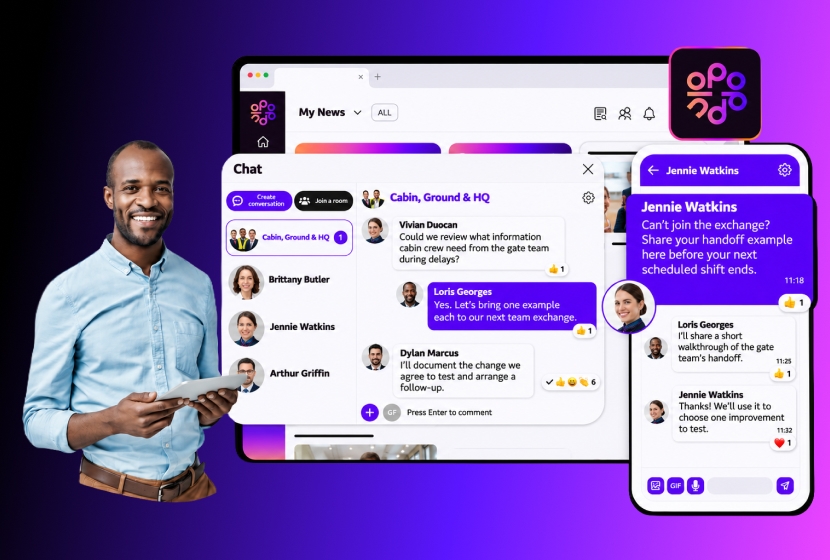
Bring a cabin crew and gate team together to explore passenger handovers during delays. Each group can explain what it receives, what it needs, and which moments create avoidable friction. Then choose one change to test.
Approved job-shadowing is useful, but it is not the only choice. Employees who cannot leave their location can watch a short walkthrough, join a facilitated conversation, or create “how our work connects” stories. These options empower more people without asking them to buy into an activity that ignores schedules or rest.
Implementation essentials:
- Audience: Teams with connected workflows but little direct contact.
- Owner: Operational leaders with Internal Communications.
- First move: Map one handoff problem and run a 45-minute exchange.
- Success measure: Confirm whether the agreed change was implemented and improved understanding.
When employees see the impact of their work, collaboration stops feeling abstract and starts to matter.
Turn the Ideas Into a Practical 2027 Plan
A credible organization should start with two pilot programs, not seven simultaneous initiatives. The key is to start small enough to learn while ensuring the sample reflects the workforce.
Recommended sequence:
- Q1: Listen, define the business problem, and establish baseline engagement.
- Q2: Pilot with a major hub, a regional station, and representative teams, ensuring local relevance.
- Q3: Improve access and participation through summer operations, ensuring managers can respond.
- Q4: Review results in October, before holiday travel, and decide what to scale.
HR should own the objective. Internal Communications should design the communication loop, while local managers create relevance. Labor relations, safety, and IT should join when an initiative affects represented groups, formal reporting, or platform access.
Separate four data points: reach, participation, sentiment, and longer-term outcomes. Remember that likes and reads indicate activity, not causation. Review progress throughout the year.
Pair Your Plan with the Right Digital Solution: The Poppulo Experience Platform
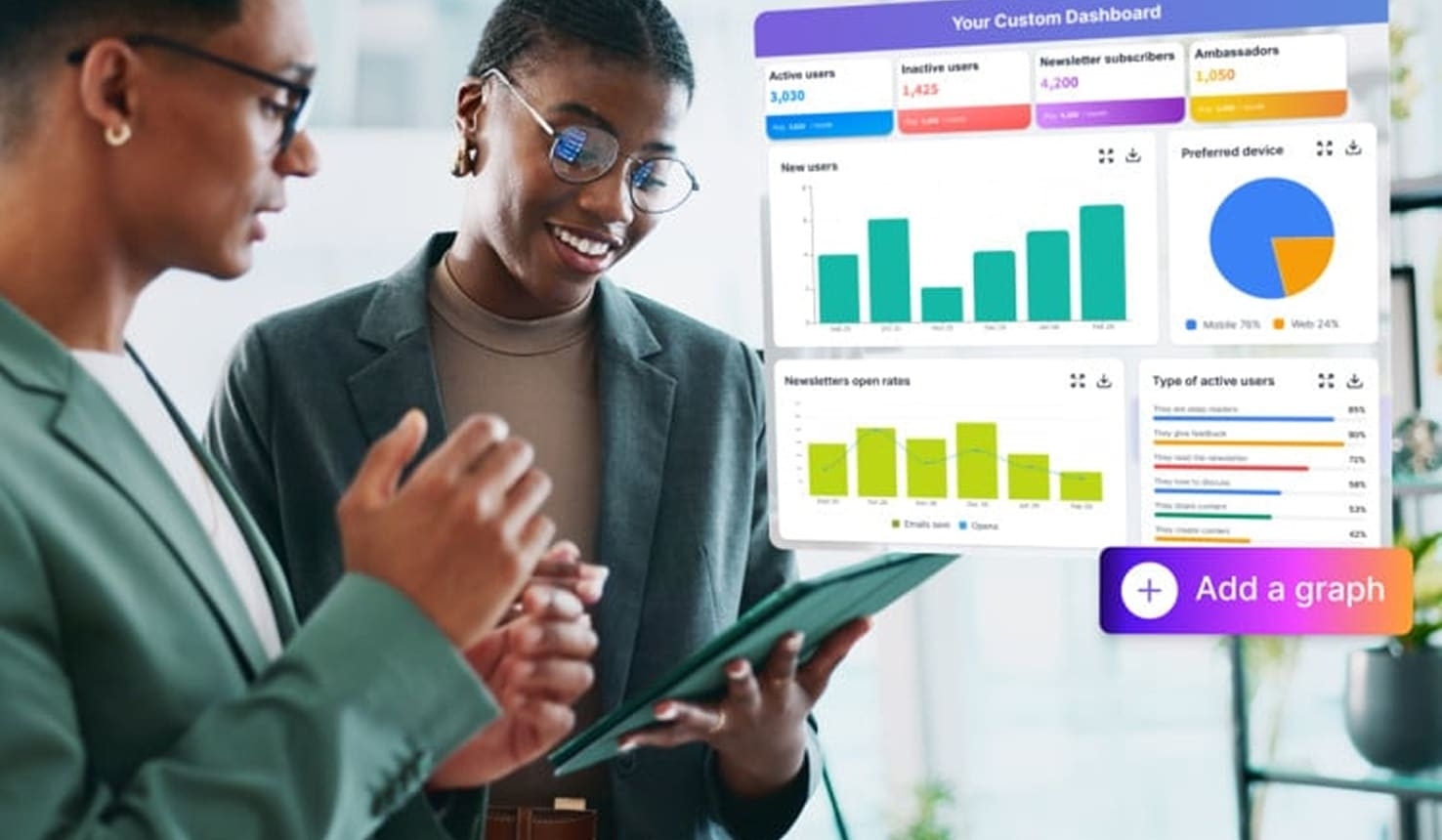
When it comes to boosting employee engagement, the Poppulo Experience Platform can help companies create targeted communication by role, site, language, or shift, and bring knowledge, surveys, and analytics into one connected experience. Specific features of the platform include:
- A mobile app to connect frontline workers, even those without corporate email or device
- Must-read notifications and quizzes to ensure comprehension of news and guidelines
- Instant translation available, backed up by real-time subtitles and lip-sync technology
- An AI assistant for creating and searching out content
- Badges, leaderboards, and surveys to encourage employee involvement
- Advanced data analytics to track engagement and optimize performance
The result is a unified engagement hub that keeps employees engaged with company news and updates, no matter where they are located.
Final Thoughts
Relevant information, visible follow-through, specific recognition, and practical support foster a culture in which employees feel connected and ready to act. Choose two ideas, involve representative teams, and improve them before a company-wide launch.
In fact, the best way to see results is to make sure that your engagement strategy is paired with the right digital tools. Industry leaders around the world have used the Poppulo Experience Platform to keep employees informed and engaged, including names like Coca-Cola CCEP, Primark, and L'Occitane Group. We'd love to achieve the same results for your organization.
Request a free demo and discover what the Poppulo Experience Platform can do for your company.
Airline Employee Engagement FAQs
Practical execution questions often emerge once an engagement plan meets the realities of airline operations.
How Can Airlines Include Employees Who Work Different Shifts?
Give employees several opportunities to participate across shift cycles, plus asynchronous access to surveys, recognition, and updates. Ask local managers to reinforce each initiative and gather feedback in context. Most importantly, schedule participation during paid working time so involvement does not depend on employees staying late or using personal time.
What Airline Engagement Initiatives Can Start With a Small Budget?
Start with focused listening sessions, peer recognition, cross-functional mentoring, and concise manager briefings. These initiatives require little technology or event spending, but they are not cost-free. Budget for the employee and manager time needed to participate, respond to feedback, and sustain the program beyond its launch.
How Should Airlines Measure Employee Engagement Initiatives?
Establish baseline sentiment before launch, then track participation by role, location, and shift rather than relying on an airline-wide average. Monitor whether promised actions are completed and whether retention, safety reporting, or absenteeism changes over time. Treat those outcomes as supporting evidence, since engagement initiatives rarely explain operational results on their own.