Effective communication is obviously a good thing to have. Everyone would agree with that statement. But if you want your business to truly improve and succeed, it means more than just that. It is in essence the foundation of organizational success. To be frank, internal communication statistics reveal an undeniable truth: communication directly impacts employee productivity, engagement, retention, and profitability.
From miscommunication costing U.S. businesses $1.2 trillion annually to disengagement affecting two-thirds of employees, the numbers demand our attention. So let’s dive into the critical workplace communication statistics you need to know to stay ahead of the game, and avoid the pitfalls of disengaged employees and low employee morale.
Communication Statistics in the Workplace
Ready to see the numbers? You've come to the right place. These communications statistics show the importance of strong communication in the workplace, as well as reveal the problems that can crop up when employee communication isn't as effective as it should be.
1. Collaboration Crisis: The Leading Cause of Workplace Failures & Poor Communication
According to the latest communications statistics, a staggering 86% of employees cite ineffective communication and poor internal communication skills for workplace failures.
2. The $1.2 Trillion Miscommunication Problem: A Big Miss
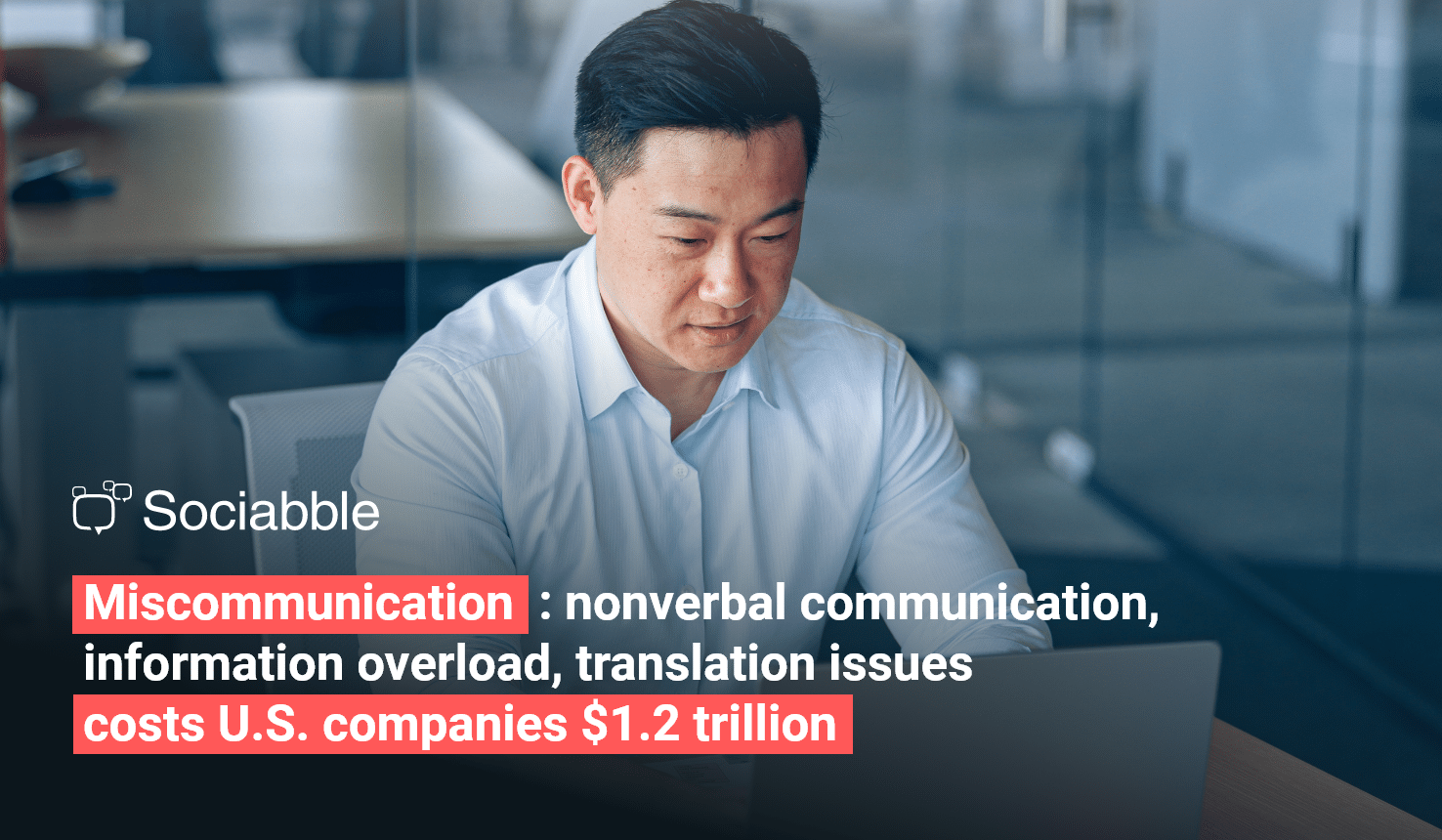
Miscommunication is a silent revenue killer, costing U.S. businesses an estimated $1.2 trillion annually. Nonverbal communication missteps, information overload, and translation issues are all factors in negative workplace communication outcomes.
3. Effective Communication Increases Retention: A 4.5x Advantage
Workplaces with effective communication strategies enjoy 4.5 times higher employee retention. This saves recruitment costs and improves team spirit!
4. Transparent Internal Communication: A 12x Satisfaction Boost
Employees who experience transparent business communication report 12 times higher job satisfaction than those accustomed to poor workplace communication. Talk about a morale booster!
5. The 25% Productivity Boost: All from Effective Communication
Teams that communicate effectively see an employee productivity increase of up to 25%. That's good for the company, and good for career advancement.
When Business Communication Becomes Poor Communication
If these numbers reflect challenges in your own organisation, our guide to frontline worker communication shows what leading companies are doing differently.
Also read: A New Global Study on Communication with Frontline Employees
6. Two-Thirds of Employees Are Disengaged: The Business Communication Statistics Say It All
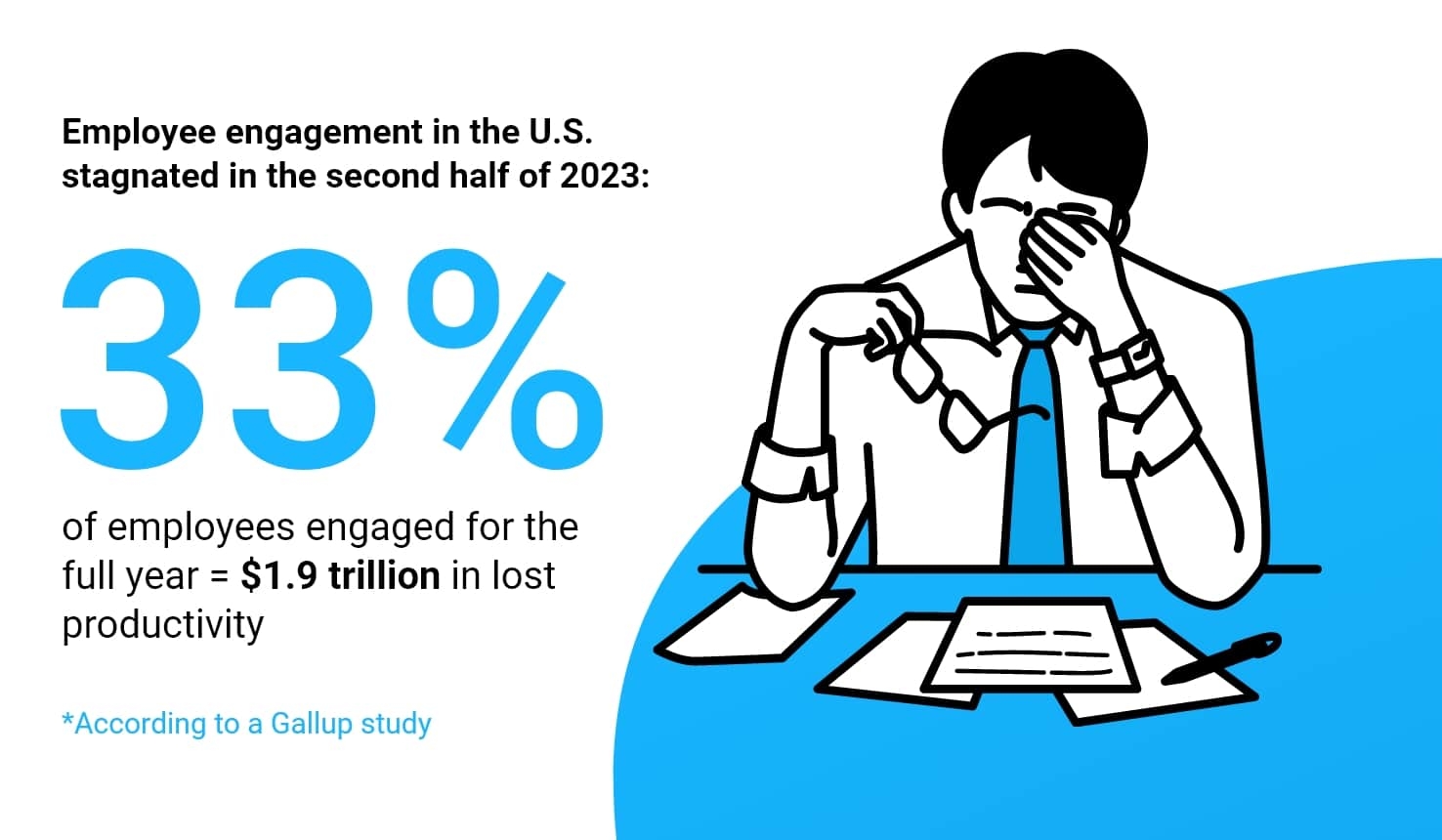
According to the latest workplace communication statistics, around 67% of employees report they are disengaged, significantly impacting morale, performance, and innovation.
7. Remote Disconnect: Mission Misalignment
Although remote workers show slightly higher engagement, only 28% feel connected to their organization’s mission, by actively engaging with internal employee communications.
8. The 20-Hour Digital Dependency: Workers Need to Know Their Tools
Employees spend up to 20 hours weekly on digital communication tools, making their efficient use crucial. Training and technology are key when it comes to workplace success!
9. The Dark Side of Connectivity: Workplace Stress
While digital tools are essential to communication in the workplace, constant connectivity to these communication channels is linked to increased workplace stress. And high stress means less employee satisfaction.
The Impact of Engagement on Retention and Absenteeism
10. The Loyal Ones: Engaged Employees Are 87% Less Likely to Leave
Highly engaged employees show greater loyalty, significantly reducing turnover and the associated costs of recruitment and training. Engaged employees are the kind you want!
11. Lower Absenteeism: The 41% Advantage
Engaged workplaces experience 41% lower absenteeism than their disengaged peers. And absenteeism is a key indicator of factors like low morale, productivity, and loyalty.
Leadership and Communication
12. Winning from Afar: 96% of Leaders Agree Communication Powers Remote Success
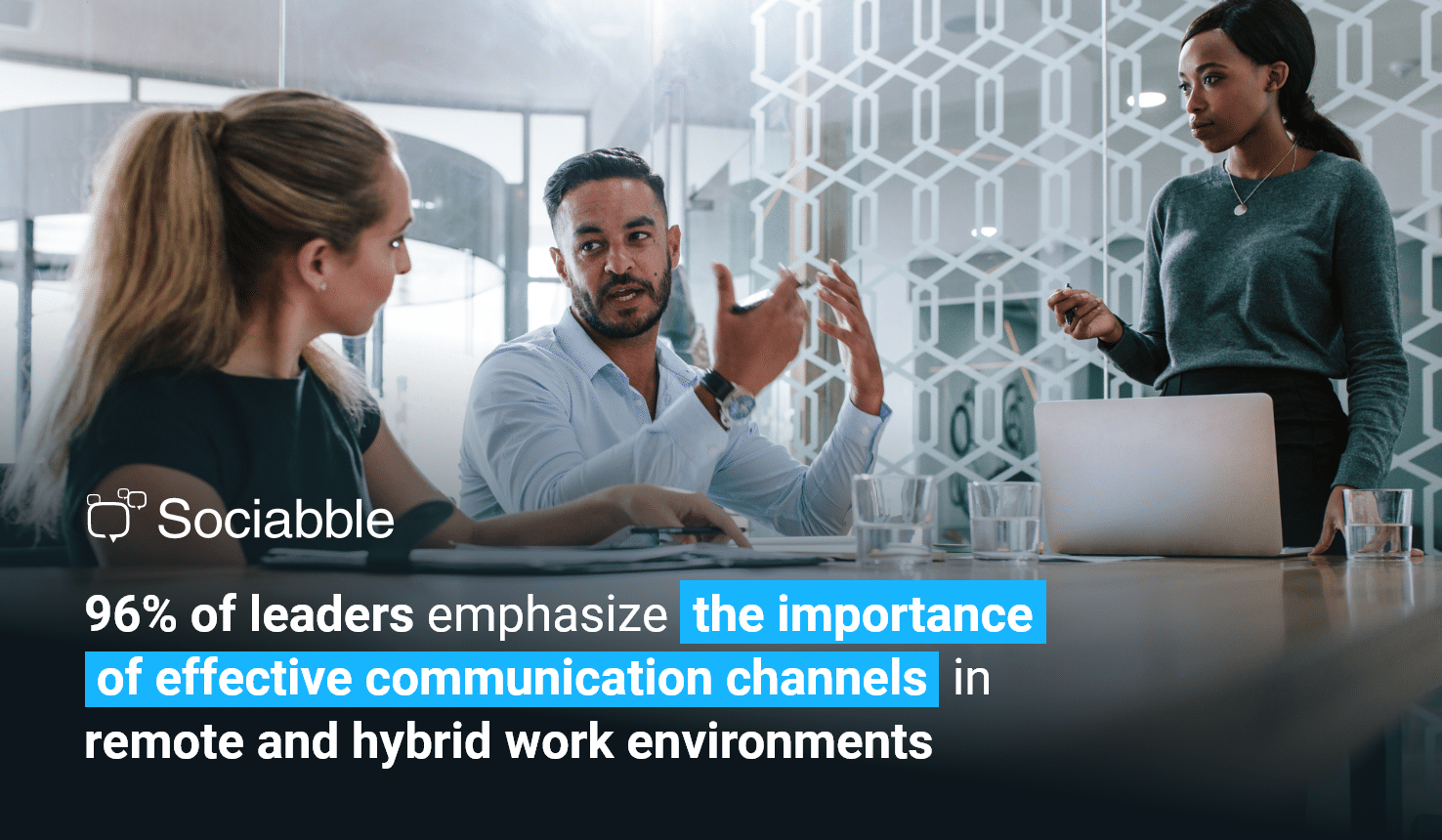
In remote and hybrid environments, 96% of leaders emphasize the importance of effective communication channels. Connectivity and engagement make the difference when it comes to distance.
13. The Top-Down Difference: Managers as Internal Communication Gatekeepers
84% of employees rely on their managers for clear communication, underscoring the importance of leadership in fostering alignment and trust, and avoiding ineffective communication.
14. Straight from the Top: Leadership’s Words Matter
Three-quarters of employees state that clear leadership communication, as opposed to ineffective communication, significantly influences job satisfaction. Top-down comms should be a focus!
Addressing the Needs of Deskless Workers
15. The Overlooked Majority: Deskless Workers
Deskless workers make up 70-80% of the global workforce, yet their unique employee communication needs, including mobility questions, nonverbal communication issues, and asynchronous communication methods, are often neglected. Effective communication relies on addressing this fact.
Communication Challenges and Opportunities: What These Statistics Mean for Organizations
The statistics are clear: workplace communication is both a challenge and an opportunity. Organizations that address these employee communication gaps can unlock significant benefits:
- Increased collaboration and innovation: Transparent and effective communication fosters creativity and teamwork.
- Higher employee satisfaction and retention: Employees who feel heard and valued are more likely to stay.
- A resilient company culture: Aligning all employees, from deskless workers to remote teams, creates a strong organizational foundation.
Ignoring communication challenges risks inefficiencies, disengagement, and financial losses. The solution lies in empowering leadership, investing in effective communication tools, and prioritizing inclusivity to create a culture of employee engagement and collaboration.
How Poppulo Solves Workplace Communication Challenges
These hurdles can seem daunting, especially when presented alongside communication statistics linked to communication in the workplace. But there is a solution that can help you cover all of your bases. The Poppulo platform offers a comprehensive solution for overcoming workplace communication hurdles. In fact, Poppulo has already partnered with global industry leaders like Coca-Cola CCEP, L'Occitane en Provence, and Primark, to optimize their internal comms. Here's how the platform can help:
1. Streamlined Internal Communication
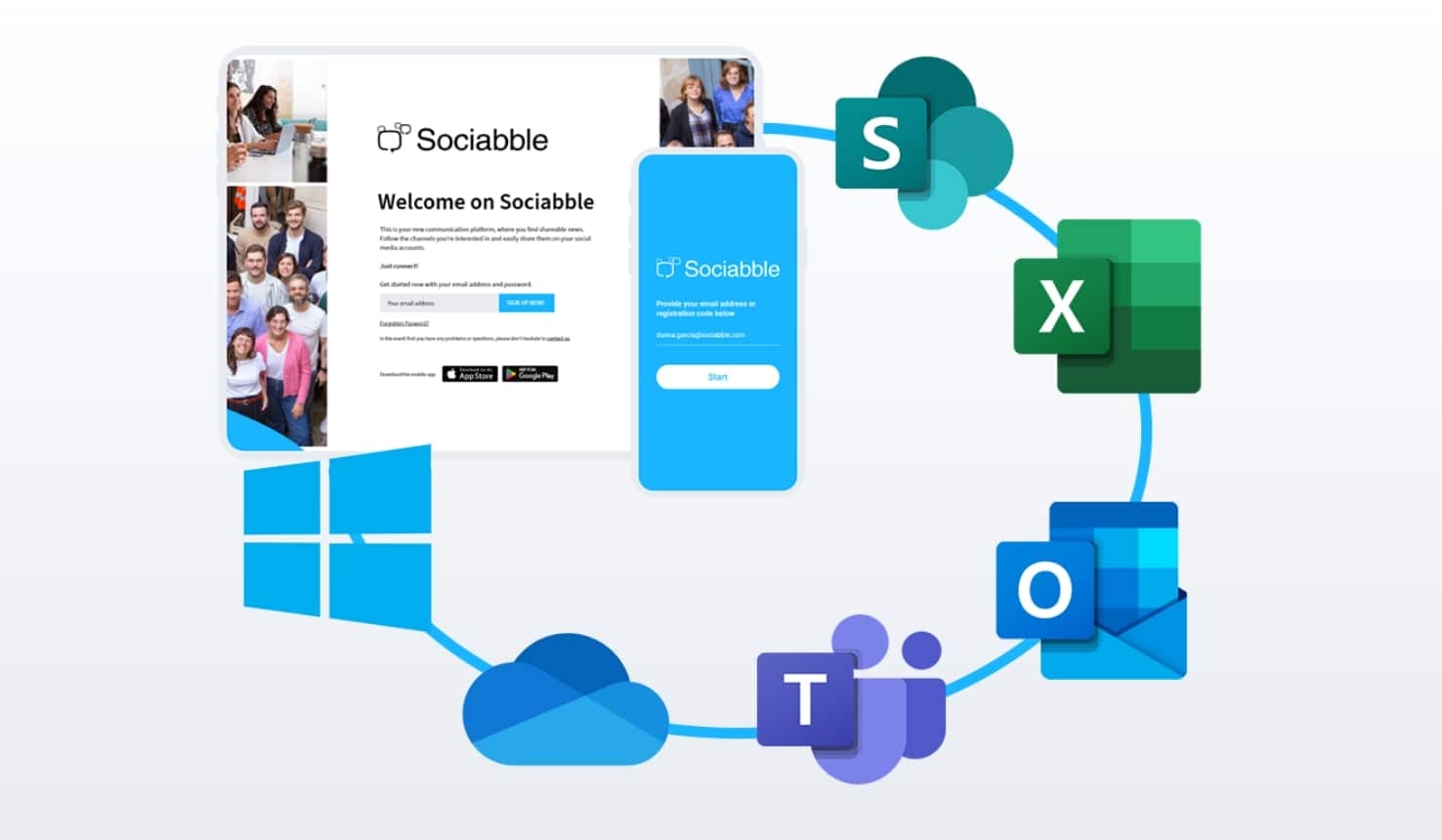
Poppulo integrates with platforms like Microsoft Teams and email, as well as other project management tools, to ensure the right information reaches the right people, whether they’re in the office, remote, or on the frontlines.
2. Enhanced Employee Engagement
Features like gamification, leaderboards, and CSR-linked rewards (such as tree planting) foster a sense of belonging and participation regarding your internal communications.
3. Reducing Digital Overload
Targeted notifications and AI-powered content personalization minimize information overload and thus poor communication, ensuring employees stay informed without feeling overwhelmed.
4. Boosting Productivity with AI
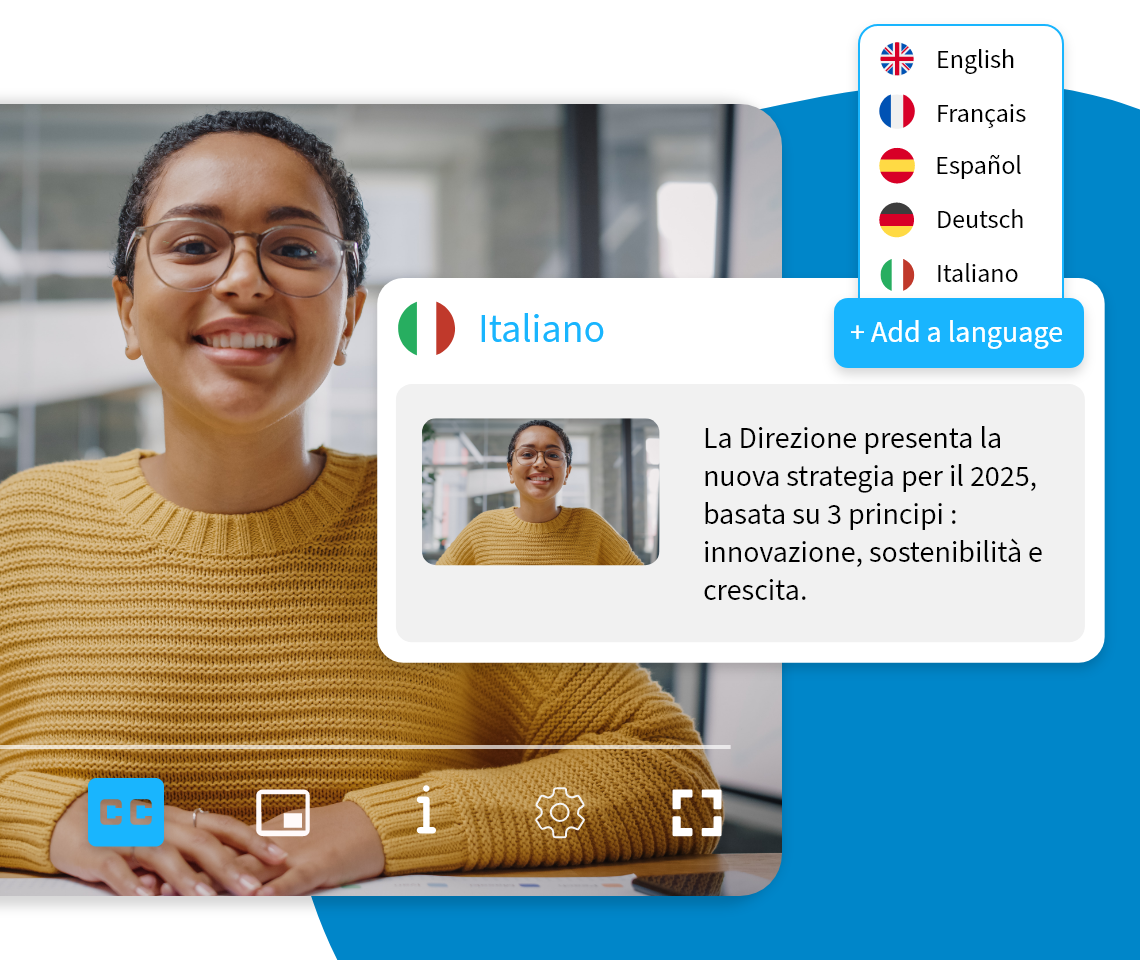
Poppulo automates content creation and translation, saving time while maintaining consistent internal communications across global teams.
5. Bridging the Gap Across Work Arrangements
Thanks to its mobile app and intuitive interface, Poppulo connects remote, hybrid, and in-office employees, ensuring cohesive communication regardless of location.
6. Empowering Deskless Workers
Through a mobile-first approach, deskless employees can access updates, contribute content, and engage with their teams seamlessly, avoiding poor communication habits and obstacles. Nonverbal communication and other facets of interacting can be preserved through live broadcasts and video chat.

7. Robust Analytics for Insights
With detailed analytics, Poppulo provides actionable insights into employee engagement trends, helping organizations refine their communication strategies.
Effective Workplace Communication as a Competitive Advantage
The numbers don’t lie: prioritizing communication skills transforms organizations from the inside out. The latest communications statistics show this. In this article, we've covered how issues like:
- The collaboration crisis
- The disengagement epidemic
- Issues with retention and absenteeism
- Leadership and communication issues
- The unique needs of deskless workers
Can all be improved by powerful communication tools and strategy. The statistics reveal what challenges can and need to be addressed.