Warehouse employees generally don't need office engagement campaigns transplanted onto the warehouse floor. What works best for them are practical ways to be informed, heard, recognized, and developed during paid work, without compromising safety or operational continuity.
Key Takeaways
- The strongest warehouse engagement ideas fit paid work and reach every shift.
- Employee feedback builds trust only when leaders explain what happens next.
- Recognition should reinforce safe, accurate, collaborative behavior rather than individual speed.
- Employee engagement activities must account for fatigue, language, device access, temporary workers, and seasonal demand.
What it comes down to is this: employee engagement in logistics improves when everyday operations give warehouse workers voice, information, recognition, and professional growth. These are the keys that are so often overlooked. But the question remains: How do you actually put these into action?
This guide gives HR and logistics leaders 12 employee engagement ideas specifically designed for warehouse work environments, including variables like shift coverage, deskless access, physical demands, language diversity, safety, temporary labor, and peaks. Each includes an implementation method, measurement signal, and guardrail.
Ready to learn more? Let's get started.

12 Logistics and Warehousing Employee Engagement Ideas
These employee engagement ideas address distinct gaps. When looking these over, be sure to choose the engagement ideas that match what warehouse employees actually experience at your business, not whichever activity looks exciting on an HR calendar.
1. Turn Shift Handover Into a Two-Way Five-Minute Huddle
A two-way huddle supports direct communication by encouraging employees to raise concerns.
How to run it: During paid time, ask: What changed, what matters this shift, and what needs escalation? Record open questions with an owner and deadline. Track completion, response time, and closed issues. Keep team meetings brief and two-way.
2. Recognize Safe, Accurate, and Collaborative Behaviors
Behavior-based employee recognition shows warehouse workers exactly what good work looks like.
How to run it: Praise hazard reporting, preventing errors, helping new hires, or improving handoffs. Visible employee achievements boost employee morale by making workers feel valued. Review distribution by shift, role, employment type, and site, using analytics to discover what needs more coverage.
3. Run Employee-Led Ergonomics and Friction Walks
Participatory walks improve the work environment by allowing employees to identify avoidable physical friction.
How to run it: Walk one process with warehouse employees from different shifts. Review lifting, reaching, repetition, congestion, lighting, temperature, and equipment placement. Separate quick fixes from formal assessments; track issues, actions, repeat complaints, and employee feedback. These walks complement qualified EHS assessments; they never replace them.
4. Build a 30-Day Buddy System for New and Temporary Workers
A structured buddy gives new hires a consistent person from whom to seek guidance.
How to run it: Check in after the first shift, first week, second week, and first month. The buddy supports warehouse employees by encouraging them to find information and seek guidance. Include agency, seasonal, and night-shift warehouse workers. Track check-ins, confidence, training, and first-30-day employee retention.
5. Create Paid Microlearning Led by Warehouse Experts
Paid microlearning turns practical knowledge into professional development warehouse teams can use immediately.
How to run it: Invite experienced warehouse employees to create five-to-ten-minute in-person demonstrations, videos, translated checklists, or coached practice. A technical or safety owner validates every lesson. Measure completion, knowledge, confidence, and contributor diversity. Never publish unverified safety instructions.
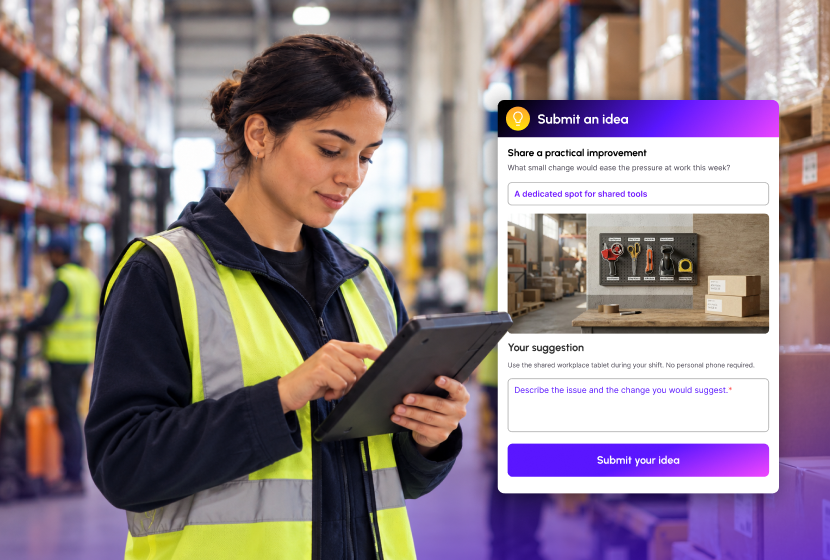
6. Hold a Monthly Frontline Idea-to-Action Sprint
An idea sprint lets warehouse teams contribute ideas and see the decision-making process.
How to run it: Pick one theme, such as receiving delays or inventory accuracy. Invite new ideas, shortlist transparently, test one or two, and publish the result. Involve relevant functions; measure submissions, contributor spread, decision time, pilots, and adopted changes. Allowing employees to shape work in this manner respects expertise and creates engaged workers.
7. Use Skills Passports to Make Cross-Training and Progression Visible
Skills passports connect continuous development to credible career development.
How to run it: Map adjacent tasks, certifications, systems, industry trends, and team-lead capabilities. Publish prerequisites, assessors, scheduling rules, and selection criteria. Do not promise unapproved promotion or pay. A focus on individual employee development is key.
8. Give Shift Supervisors a Weekly Engagement Toolkit
A concise toolkit helps supervisors make employee engagement consistent without adding an undefined responsibility.
How to run it: Provide one weekly huddle prompt, recognition cue, listening question, development prompt, and escalation route, usable in ten minutes. Track use, coverage, escalations, response time, and employee feedback. Give supervisors authority; do not assign problems they cannot solve.
9. Create a Fatigue and Recovery Check-In for Peak Operations
A fatigue check-in treats fatigue as an operational and employee health concern, not a personal resilience failure.
How to run it: Before peaks, overtime, night work, or heat, ask about workload, break access, and pressure points. Route findings to Operations, HR, and EHS; track issues, adjustments, and closure. Healthy habits may support well-being, but cannot replace staffing, breaks, hazard controls, or appropriate hours.
10. Rotate Employee-Created Stories Across Sites and Shifts
Employee-created stories enhance employee engagement by making warehouse expertise visible beyond day shift.
How to run it: Rotate prompts such as “how we solved it,” “meet the role,” and “customer impact.” Accept photos, audio, video, or text with translation help. Track contributors, reach, sites, languages, and repeat contributions. This can boost morale and build company culture by connecting warehouse employees to company goals and customer satisfaction.
11. Run a Monthly Site Engagement Review and Action Board
A monthly digital signage board makes overall engagement accountable through visible follow-through.
How to run it: Bring HR, Operations, Internal Communications, site leadership, EHS, and employee representatives together. Review reach, recognition, engagement surveys, open actions, training, onboarding, and ideas tested. Publish one to three actions with an owner and deadline; track closure, gaps, and representation. An engaged workforce emerges when providing employees with access and acting on what they say become operating habits.
12. Run One-Question Pulse Checks and Publish the Response
A pulse check builds employee engagement only when warehouse employees see the response.
How to run it: Every two to four weeks, ask about tools, fatigue, training, support, or change management through mobile, QR, kiosk, or paper. Publish “You said / We are doing / We cannot change yet.” Track response by shift and site, follow-up time, and closure.
How to Choose, Pilot, and Scale the Right Ideas
Start with the known employee engagement gaps, identifying where they are and what needs to be addressed, then pilot one or two employee engagement ideas with representative warehouse workers to target the gaps you've found. Specifically:
Match the idea to the gap
Match communication gaps to huddles. For example, recognition gaps to praise; trust gaps to pulses or sprints; development gaps to microlearning or skills passports. This kind of alignment is your first stepping stone.
Apply a warehouse feasibility test
Apply a feasibility test: Can warehouse employees join during paid time, on every shift, and without corporate email, personal devices, or surveillance? A program is not fair if only a third of shifts can participate. The best employee engagement activities include the entire workforce, making employees feel valued and heard.
Run a representative pilot
Include permanent, temporary, weekend, and seasonal warehouse employees in a 30–60-day pilot. Define the baseline, owner, cadence, success signal, and review date; publish what continues, changes, or stops. Virtual employee engagement activities suit remote employees and remote teams. However, employee engagement ideas for warehouse staff must work in person.
How the Poppulo Experience Platform Helps Scale Engagement Across Warehouses and Logistics Sites
Strategy matters, but so do the right tools. Distributed operations need employee engagement software that coordinates access, recognition, listening, and measurement across warehouse teams. And this is precisely where Poppulo comes in.
For example, the Poppulo Experience Platform offers:
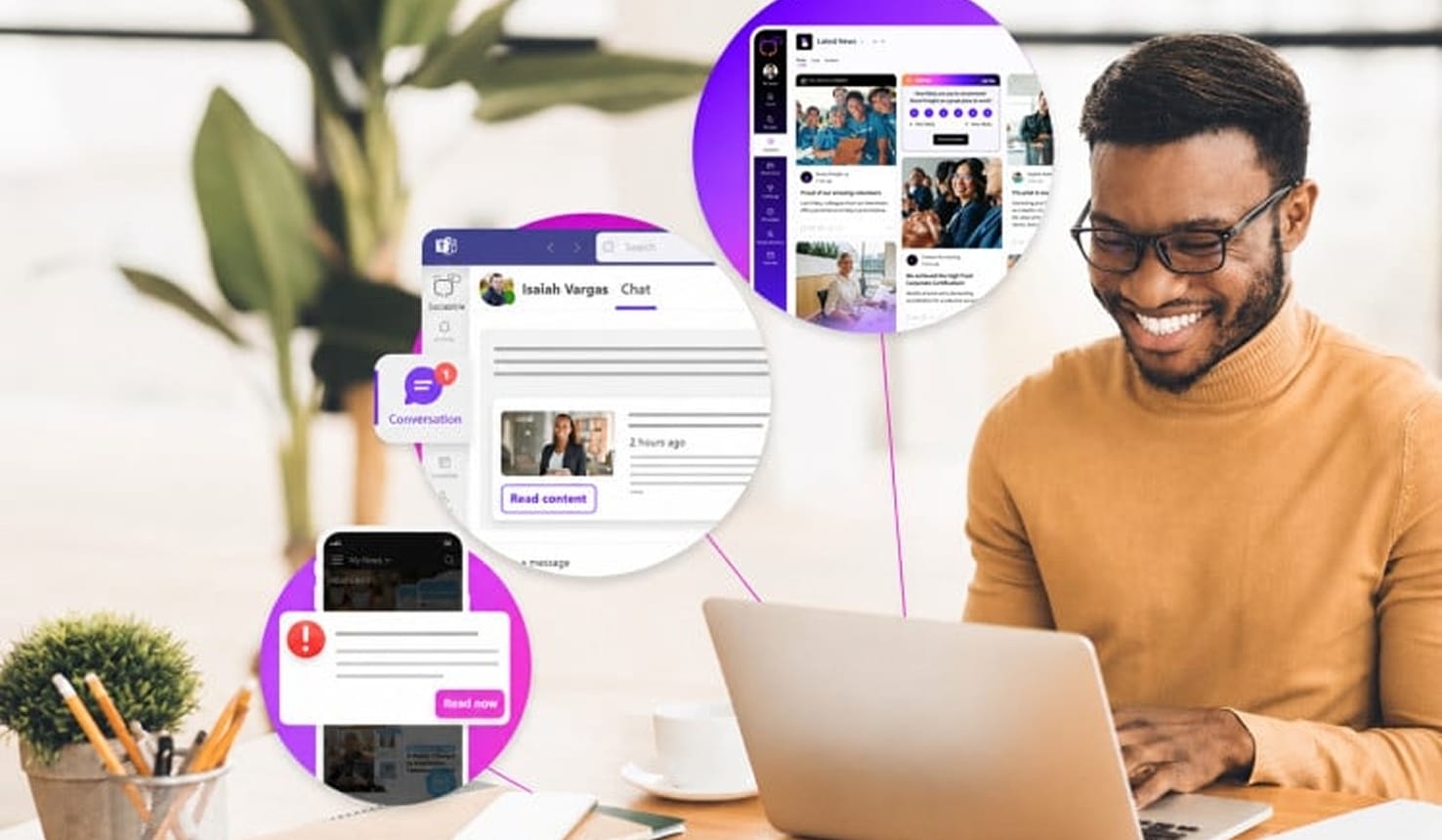
- branded mobile access & digital signage for those without corporate email, QR or company-ID onboarding.
- push notifications and digital signage for company updates and safety alerts.
- message targeting by role, site, shift, and language keeps messages relevant.
- praises to support employee recognition.
- multilingual surveys to capture employee feedback.
- data analytics that reveal uneven participation.
Together, these features create a centralized, mobile-accessible engagement platform that frontline and warehouse workers located anywhere can use.
Final Thoughts
Warehouse employee engagement is strongest when it improves the work environment instead of decorating it. Reliable information, recognition, and follow-through enhance employee engagement, help workers feel respected, and align company culture with company goals. All of which lead to a more productive work environment.
Interested in learning more? The Popppulo Experience Platform has helped industry leaders such as Intech, Coca-Cola CCEP, and L’Occitane Group make participation accessible across sites, shifts, roles, and languages. And we'd love to do the same for your organization.
Book a free demo to explore how your company can improve employee engagement through coordinated communication, recognition, and listening, built around a better employee experience.
Logistics and Warehouse Engagement FAQs
These are the questions that come up most often when discussing employee engagement ideas for warehouse staff.
How can engagement initiatives include temporary and agency warehouse workers?
Give temporary warehouse workers the same access, communication, safety, and feedback standards as permanent warehouse employees. Involve warehouse workers in paid huddles, recognition, learning, and pilots; clarify host-employer and staffing-agency ownership for training and safety. Fair access improves employee satisfaction and keeps employees engaged.
How can warehouses engage employees without corporate email or personal-phone access?
Combine paid-time huddles, kiosks, shared screens, digital signage, and supervisor support. Channels should match the audience and outcome. Digital tools can boost employee engagement, but access must fit the work environment. Never require unpaid participation in regular warehouse employee events outside of work hours.
How do you keep engagement fair across day, night, weekend, and seasonal shifts?
Review participation, recognition, and story representation by shift and employment group. Involve employees from nights and weekends in pilot design and the decision-making process during change management. Averages hide exclusion; fairness means allowing employees comparable opportunities to participate, learn, and receive follow-through. This ensures all employees feel valued.